

Animal nutrition has become an important part of modern farming as livestock health directly affects productivity, immunity, and overall farm profitability. As farmers and feed producers look for more effective ways to support animal growth, chelated minerals are gaining attention for their ability to improve nutrient absorption and performance. Chelation technology, which is already well known for improving crop nutrition, is now becoming a key part of animal feed formulations across the world.
Why chelated minerals matter in livestock diets
Minerals such as zinc, copper, iron, and manganese are essential for healthy growth and metabolism in animals. However, many of these minerals are difficult for livestock to absorb because they react with other elements inside the digestive system. This reduces their bioavailability and forces farmers to supplement higher quantities, often without seeing meaningful results.
Chelated minerals solve this problem by binding the mineral to an organic molecule. This protective bond helps the mineral pass through the digestive tract more efficiently, leading to better absorption and improved performance. As a result, animals get more nutrition from smaller quantities, which helps reduce overall feed costs.
Chelated minerals manufacturers have played an important role in making this technology accessible to feed producers. Their work has helped the livestock sector move beyond traditional supplements that often fall short in bioavailability.
Understanding how chelation works
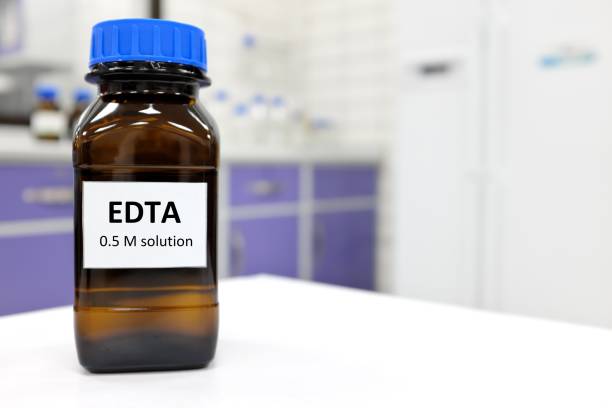
Chelation is a process that holds the mineral in a stable, absorbable form. In animal nutrition, common chelated forms include organic acids, amino acids, and EDTA-based chelates. One widely recognized example is Fe EDTA, which helps deliver iron in a form animals can absorb more efficiently. This is especially useful in preventing anemia, supporting immune strength, and improving overall vitality in livestock.
Because chelated minerals resist interactions with other compounds in the stomach, they provide more predictable and stable nutrition. This reliability is one reason why feed manufacturers are increasingly turning to Chelate Manufacturer India to source high-quality mineral ingredients.
Benefits of chelated minerals for livestock
Using chelated minerals in animal feed offers several important advantages.
Here are some of the key benefits farmers often notice.
- Better growth rates due to improved mineral absorption and utilization
- Stronger immunity leading to fewer infections and better resilience
- Improved reproductive performance in breeding animals
- Healthier skin, bones, and hooves, which support long-term productivity
- Reduced mineral waste since lower doses are needed to achieve results
These benefits make chelated minerals a cost-effective addition to feed formulations, especially in commercial poultry, dairy, and livestock operations.
The evolving role of manufacturers
India has become a strong supplier in the global mineral and chelate market, providing high-quality ingredients to feed producers around the world. As demand grows, manufacturers are focusing on precision formulations and consistent quality control to meet international standards.
ACI Industries is one of the companies contributing to this progress, offering reliable mineral and chelated inputs used in both plant and animal nutrition. Their work reflects the broader commitment within the sector to advance livestock nutrition through science-driven solutions.
Future of chelation in animal nutrition
As farming systems grow more advanced, the emphasis on strong and healthy livestock will continue to rise. Chelated minerals have already shown their value in improving performance and reducing the burden of nutritional deficiencies. The future will likely see more specialized chelate blends tailored to specific species, life stages, and production goals.
Feed producers looking to improve nutrition and reduce waste are increasingly turning to chelated technologies for consistent results. By working with trusted manufacturers and adopting scientifically backed ingredients, they can build healthier herds and achieve better productivity.