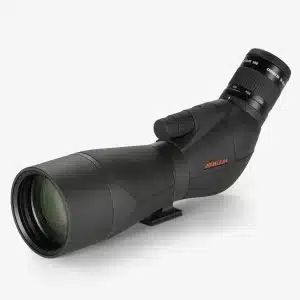


Anyone who has hunted open country knows a good spotting scope changes everything about how a day unfolds. Being able to pick out antler points or judge a bird’s fan from half a mile away saves hours of hiking toward animals that turn out to be the wrong ones, which is why more hunters are turning to a spotting scope rental before heading into places like Wyoming, Montana, or the high desert of Nevada.
A quality spotting scope is one of the pricier pieces of gear a hunter can own, and for good reason, since the glass, magnification range, and stabilization all need to work together at long distances. For someone who only hunts open terrain once or twice a year, buying a top-tier scope rarely makes financial sense. Renting solves that problem by giving access to the same glass serious western hunters rely on, without the price tag attached to owning it outright.
Understanding bird behavior is a big part of planning a successful upland hunt, and organizations dedicated to pheasant habitat spend years studying how cover, weather, and food sources influence where birds hold throughout the day. A dedicated group focused on pheasant habitat publishes research that helps hunters figure out which fields are worth walking and which ones are likely empty, information that pairs well with the extra reach a spotting scope provides when scouting from a distance first.
Setting up a spotting scope correctly matters just as much as the optics themselves. A shaky tripod or the wrong eyepiece angle can undo all the benefit of expensive glass, so most rental companies include the tripod and carrying case as part of the package, which takes one more thing off a hunter’s plate before a trip. That kind of bundled setup is hard to replicate when buying piece by piece on a budget.
Waterfowl hunters benefit from long-range glass too, particularly when trying to identify species from a blind before committing to a shot. Conservation organizations focused on wetland habitat track migration patterns that influence where birds stage throughout the season. A well known name in waterfowl conservation shares data every fall that helps hunters understand timing across major flyways, which is useful information to have on hand alongside a scope capable of confirming species at a distance.
Renting also makes sense for hunters who travel to multiple states in a single season, since checking a scope as luggage or shipping it back and forth adds wear and risk that a rental company already accounts for. Instead of worrying about damage in transit, a hunter can pick up a scope near their destination, use it for the trip, and return it without ever owning a piece of gear that only gets used a few weeks a year.
A spotting scope rental turns an expensive maybe into an easy yes for hunters who want the advantage of long-range glass without the long term cost sitting in a gun safe the rest of the year