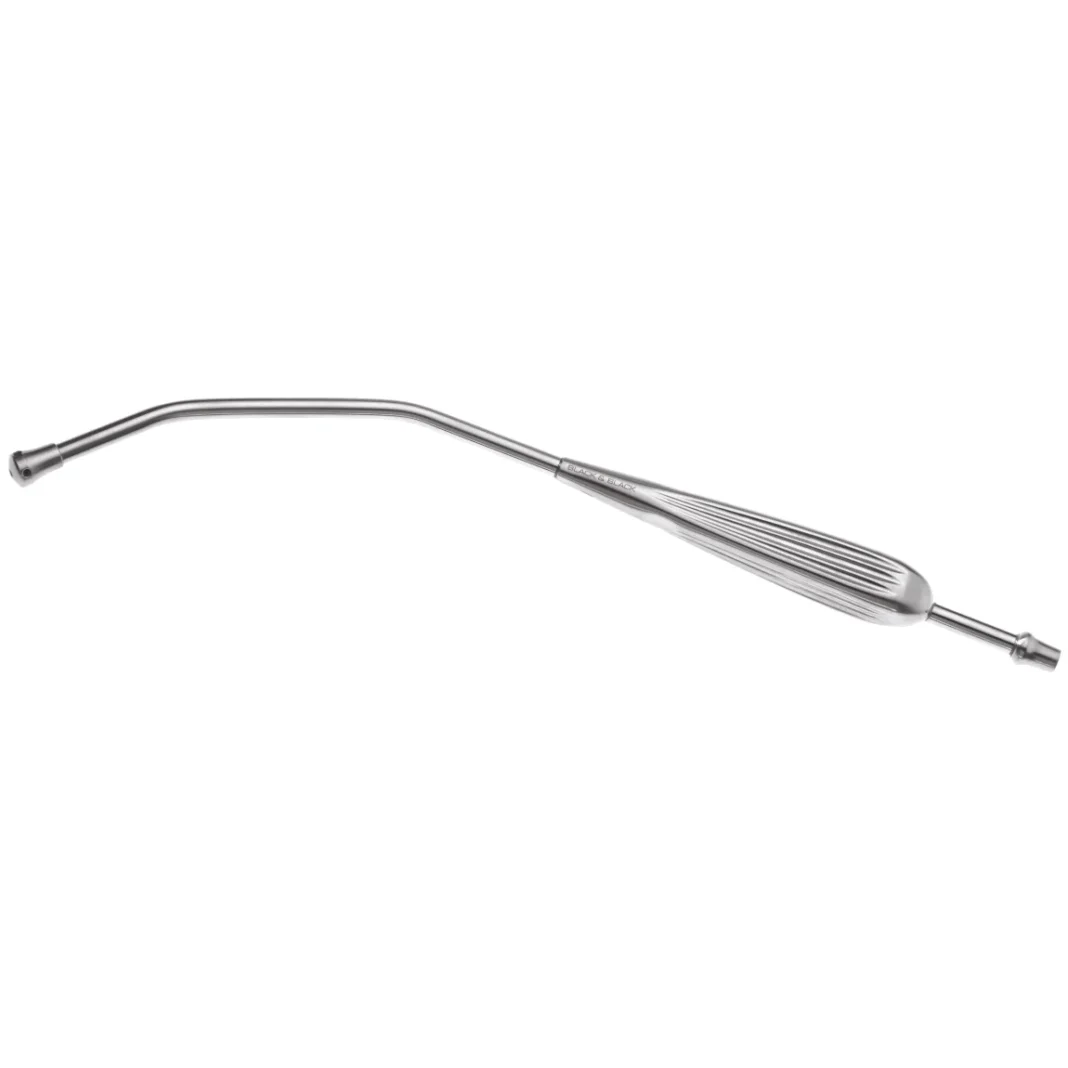


Key Takeaways
The importance of Yankauer suction in surgical settings cannot be overstated. It plays a crucial role in fluid management, which is vital for maintaining visibility and minimizing the chances of surgical errors due to fluid buildup.
Enhancing patient safety is another significant advantage. By reducing fluid-related complications, Yankauer suction contributes to better surgical outcomes and often shorter hospital stays for patients.
It’s essential to select the right size of Yankauer suction tube based on the type of surgery. Proper sizing optimizes access and overall performance during procedures.
Durability and material quality matter greatly in Yankauer suction tubes. Medical-grade plastics and silicone are preferred choices for their strength and flexibility in varying surgical conditions.
Routine inspections and appropriate maintenance of Yankauer suction equipment are key practices. These make sure that functionality is intact and help avoid equipment failures during surgeries.
Training staff in the effective use of Yankauer suction is a must. It fosters efficiency, reduces errors, and instills confidence among team members, especially in high-pressure situations.
Looking ahead, emerging technologies like smart sensors and automated systems are likely to transform Yankauer suction. These advancements promise to further enhance fluid management and the overall quality of surgical care.
Why Yankauer Suction Is Non-Negotiable for Surgical Precision
Key Benefits in Fluid Management
The integration of Yankauer suction into surgical protocols is more than just routine; it represents a leap forward for fluid management. During a variety of procedures, its ability to quickly and effectively evacuate fluids ensures that surgeons can maintain a clear surgical field. This clarity becomes crucial in achieving surgical precision, as fluid accumulation can obscure vital anatomy, breed confusion, and even lead to errors.
Consider these essential benefits:
- Immediate Fluid Removal: The Yankauer suction device effectively manages secretions and blood, enabling a swift response during critical surgical moments.
- Controlled Environment: A clear field enhances decision-making and boosts confidence across the surgical team.
- Improved Patient Safety: Reducing the risk of fluid-related complications has a significant positive impact on patient outcomes.
It’s worth noting that studies show a strong correlation between the use of efficient suction and decreased complication rates, underscoring its importance for medical professionals.
Enhancing Surgical Field Visibility
Maintaining visual clarity during surgery often differentiates between success and complications. Yankauer suction tubes are engineered to optimally clear obstructions, enabling surgeons to visualize critical anatomy without impediment. Whether one examines laparoscopic procedures or open-heart surgeries, the advantages quickly become obvious.
In environments prone to heavy bleeding, common applications illustrate significant visibility improvements. Here’s how it benefits the surgical team:
- Precision Access: Surgeons can navigate intricate structures with greater effectiveness.
- Minimized Interruption: Quick suctioning allows the surgical flow to remain steady with fewer disruptions.
- Increased Confidence: A clear view empowers teams to take calculated risks rather than relying on guesswork.
Numerous studies highlight that a clear view not only enhances aesthetics but also translates to better surgical efficacy and quicker recovery times.
Reducing Post-Operative Complications
Concerns about post-operative complications are standard in surgical practice. Fortunately, their occurrence can be significantly reduced with efficient fluid management. In this regard, Yankauer suction is incredibly effective. But how does it achieve this?
The answer lies in its straightforward operation. By efficiently removing excess fluids and preventing pooling during surgery, the risks associated with various complications are diminished. Consider potential complications like these:
- Infection Rates: Excessive amounts of foreign fluids can facilitate increased bacterial growth, which heightens the risk of surgical site infections.
- Fluid Overload: Inadequate suctioning can cause retention issues in patients after surgery.
- Longer Recovery Time: Each complication introduces variables that may elongate recovery periods.
In the end, effective Yankauer suction use correlates directly with shorter hospital stays and lower healthcare costs, benefiting both patients and healthcare systems.
Choosing the Right Yankauer Suction Tube for Your Needs
Understanding Size Variations and Their Applications
Surgery varies immensely, and so do suction tubes. When selecting a yankauer suction tube, understanding the size variations is crucial. Medical professionals should account for both the type of surgery and the anatomical region being addressed.
Options span from smaller tubes best suited for delicate procedures to larger high-volume suction tubes intended for major surgeries. Here are some key points to ponder:
- Tube Length: Longer tubes reach deeper areas but may be less maneuverable.
- Inner Diameter: Wider diameters can evacuate larger volumes of fluid quickly.
- Curvature: Designs tailored for specific anatomical regions can aid in easier manipulation.
Selecting the right size can markedly enhance surgical access and decrease evacuation times, keeping procedures efficient and streamlined.
Materials Matter: Ensuring Durability and Performance
In the realm of Yankauer suction tubes, durability and performance are paramount. The materials chosen for construction influence everything from flexibility to breakage resistance. Most reputable manufacturers utilize medical-grade plastics or silicone in their tubes, each offering distinct benefits:
- Medical-Grade Plastic: Delivers a balance of flexibility and strength, suitable for various surgical conditions.
- Silicone: Adds an extra layer of durability to prevent kinking during multi-hour procedures.
- Color Coding: Some designs feature color-coded materials for quick identification, which streamlines surgical workflow.
Experts consistently advise choosing the highest-quality materials. After all, surgical teams can’t afford equipment failures, especially when time is of the essence.
Custom Options: Tailoring Solutions for Specific Procedures
Customization is becoming a notable trend in medical equipment, Yankauer suction tubes included. Each surgical procedure has specific requirements, rendering tailor-made solutions highly valuable. Here’s how customization can manifest:
- Length and Size: Tailored to suit distinct operations or patient dimensions.
- Added Features: Incorporating additional functionalities, such as integrated filters or specialized tips.
- Color Variations: Assists in distinguishing tools during complex procedures.
Custom solutions enhance each procedure’s effectiveness while also fostering a culture of innovation within surgical environments, allowing teams to achieve superior outcomes with more appropriately designed tools.
Best Practices for Using Yankauer Suction in the OR
Optimizing Suction Techniques for Different Surgeries
Utilizing Yankauer suction effectively extends beyond merely directing it at fluids. There’s a nuanced art to mastering suction techniques for various surgical contexts. A one-size-fits-all approach often leads to inefficiencies. Here are some expert-recommended techniques:
- Angle of Approach: Adjusting angles based on the specific surgical field can optimize fluid removal.
- Timing: Knowing when to suction is important—it should always be proactive, especially during high-volume surgeries.
- Team Communication: Coordination among surgical team members ensures fluid levels and suctioning needs are constantly monitored.
Practicing optimized techniques during simulation exercises translates to real-world efficiency and effectiveness.
Maintaining Equipment for Superior Performance
The maintenance of Yankauer suction equipment is critical to its overall performance. No piece of equipment can reach its peak function without proper care. Routine inspections and cleaning should be incorporated into standard operating protocols.
- Routine Inspections: Confirm tubes are free of defects, ensuring strong suction power.
- Cleaning Procedures: Regular sterilization between surgeries is vital to prevent cross-contamination.
- Replacement Schedule: Timely replacement of worn or damaged components is essential.
Following these best practices not only improves performance but also contributes to enhancing safety within surgical environments.
Training Staff for Effective Use and Safety
No matter how advanced the equipment, staff training is crucial for success. Proper training equips surgical personnel with the necessary skills to operate Yankauer suction effectively and safely. Knowledge of anatomy, troubleshooting, and maintenance protocols are critical. A well-informed surgical team can:
- Enhance Effectiveness: Strategic suctioning can lead to smoother surgeries.
- Reduce Errors: Training significantly lowers the likelihood of incorrect usage or equipment failure.
- Build Confidence: A confident team works more efficiently, leading to faster and more precise interventions.
Investing in comprehensive training programs can pay significant dividends in overall surgical care.
The Future of Yankauer Suction: Innovations on the Horizon
Emerging Technologies in Fluid Management
There’s a bright future ahead with innovations in fluid management solutions, especially in Yankauer suction. As technology progresses, the capabilities of suction systems are set to evolve dramatically. Here are some potential advancements:
- Smart Sensors: Devices that monitor fluid levels and inform teams when suctioning is needed.
- Advanced Materials: Future tubes may boast increased flexibility and durability thanks to groundbreaking material science.
- Automated Systems: Systems that include auto-suction features responsive to fluid levels during procedures.
These innovations promise to enhance surgical environments, allowing surgeons to focus on their critical tasks rather than grappling with equipment-related challenges.
Integrating Digital Solutions for Enhanced Efficiency
Also on the rise are digital solutions in surgical settings. Imagine suction systems linked to electronic health records, providing up-to-the-minute updates on patients’ fluid status. Possible advantages include:
- Streamlined Documentation: Automatic recording of suction times and fluid volumes lessens administrative tasks.
- Data Analysis: Utilizing data allows for evaluating surgical efficiencies and post-operative success rates.
- Telemedicine Integration: Remote monitoring capabilities could facilitate expert consultation during challenging surgeries.
The fusion of digital advancements with customary practices could set a new standard for patient care.
Trends Shaping the Next Generation of Surgical Tools
The direction of surgical tools is increasingly pointing toward enhanced efficiency and patient-centered care. Emerging trends within the industry include:
- Personalization: More tools will allow for adaptations to specific patient anatomies and surgical pathways.
- Collaboration: A heightened focus on teamwork during surgeries will foster better cooperation among staff.
- Increased Training Resources: More educational materials will become available, ensuring that all personnel stay informed.
The future is filled with possibilities, pushing the limits of what surgical procedures can achieve.
FAQ
What is the primary function of Yankauer suction in surgical settings?
The primary function of Yankauer suction is to efficiently remove fluids during surgical procedures. This ability to maintain a clear view is crucial for avoiding complications and enhancing overall care quality.
How does training enhance the effectiveness of Yankauer suction?
Effective training provides surgical staff with the skills necessary to operate Yankauer suction competently. Teams that are well trained in optimal suction techniques experience enhanced surgical flow and fewer errors, which ultimately enhances patient safety.
What materials are commonly used in Yankauer suction tubes?
Yankauer suction tubes are typically made from medical-grade plastics or silicone. These materials are selected for their flexibility and durability, both of which are vital for functionality during complex surgical tasks.
Can Yankauer suction systems be customized for specific surgeries?
Absolutely, customization of Yankauer suction systems is increasingly common to cater to the varied demands of surgical procedures. Customization may include adjustments in length, specialized tips, and unique features that can enhance surgical performance.
How do emerging technologies fit into the future of Yankauer suction?
Emerging technologies, such as smart sensors and automated suction systems, are expected to redefine Yankauer suction. These advancements will enhance fluid management through real-time monitoring and reduce the dependence on manual operation during surgeries.
What best practices are essential for maintaining Yankauer suction equipment?
Maintaining Yankauer suction equipment effectively requires routine inspections, diligent cleaning protocols, and timely replacements of worn components. Adhering to these practices ensures the reliability and effectiveness of the equipment during surgical procedures.
How can digital solutions enhance the use of Yankauer suction in surgeries?
Digital solutions can greatly streamline the integration of Yankauer suction into surgical workflows. Features such as automated documentation and real-time monitoring enhance communication among surgical teams and improve patient management overall.
What role does Yankauer suction play in reducing post-operative complications?
Proper use of Yankauer suction significantly decreases the risk of post-operative complications by managing fluid levels during surgery. This effective fluid control leads to lower infection rates and faster recovery periods for patients.