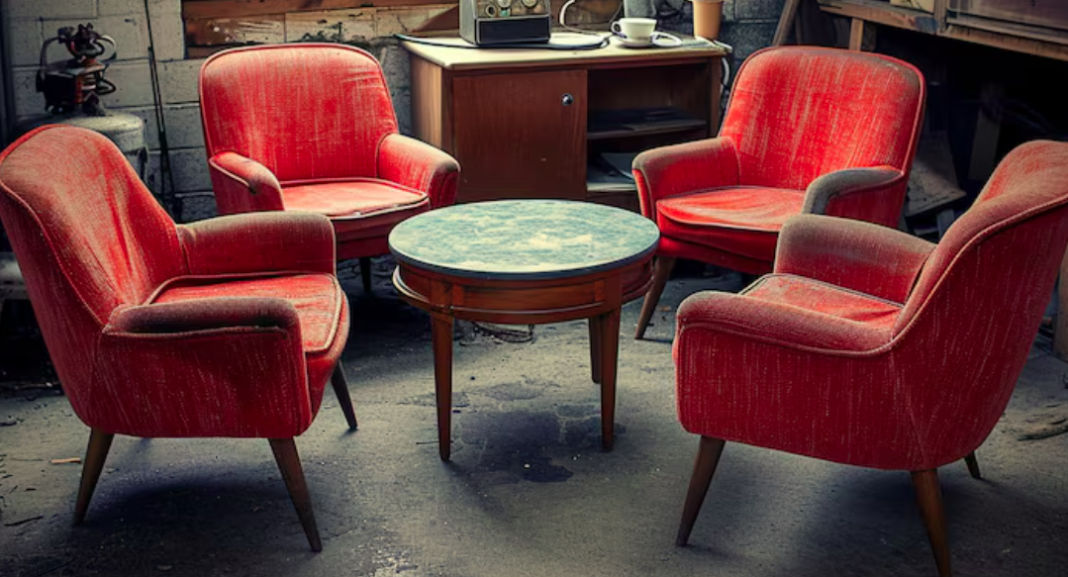


The timeless appeal of the design movement from the middle of the twentieth century continues to dominate modern interior aesthetics.
Characterized by clean lines, organic curves, and a focus on functionality, these pieces serve as both historical artifacts and practical household items.
Finding high-quality mid-century antique furniture requires a discerning eye and a deep understanding of the specific craftsmanship that defined that era.
Verify the Authenticity and Manufacturer Markings
The first step in evaluating any potential acquisition is to look for original stamps, labels, or burned-in signatures often found on the underside of chairs or inside drawer frames.
Authentic mid century antique furniture was frequently produced by renowned designers whose work is highly documented in historical catalogs. Identifying these markings not only confirms the origin of the piece but also significantly influences its long-term investment value.
Examine the Quality of Materials and Wood Types
During this period, designers favored specific hardwoods such as teak, rosewood, and walnut for their rich grains and structural durability. When inspecting mid-century antique furniture, you should check for the presence of high-quality veneers and solid wood construction rather than cheap modern imitations.
Understanding the weight and texture of these specific woods can help you distinguish between a genuine vintage find and a mass-produced contemporary replica.
Assess the Structural Integrity and Condition
While minor surface scratches can often be repaired, deep structural damage like warped frames or cracked joints can be incredibly costly to fix. You should test the stability of tables and sit in chairs to ensure there is no excessive wobbling or signs of failing adhesive in the joints.
A well-preserved piece of mid-century antique furniture should feel sturdy and functional, reflecting the superior engineering standards of the original manufacturing process.
Evaluate the State of Upholstery and Fabrics
Original textiles from the fifties and sixties often feature unique patterns and textures that are difficult to find in modern fabric stores. If the upholstery is damaged, consider whether the cost of professional restoration will exceed the value of the piece itself.
Many collectors prefer pieces with their original coverings, though a high-quality reupholstery job using period-appropriate materials can sometimes enhance the overall look of the item.
Understand the Provenance and History
Knowing the history of an item, including where it was originally purchased and how many owners it has had, adds a layer of depth to your collection. Ask the seller for any available documentation or stories regarding the previous environment where the piece was kept for several decades.
Provenance can provide clues about how well the item was maintained, such as whether it was shielded from direct sunlight or kept in a climate-controlled room.
Research Current Market Trends and Pricing
The popularity of specific designers can fluctuate, so it is helpful to stay updated on recent auction results and gallery listings to ensure you are paying a fair price.
Compare similar items across different platforms to establish a baseline for what a well-maintained piece should cost in the current market. Being well-informed allows you to negotiate with confidence and avoid overpaying for items that may be trending but lack long-term rarity.