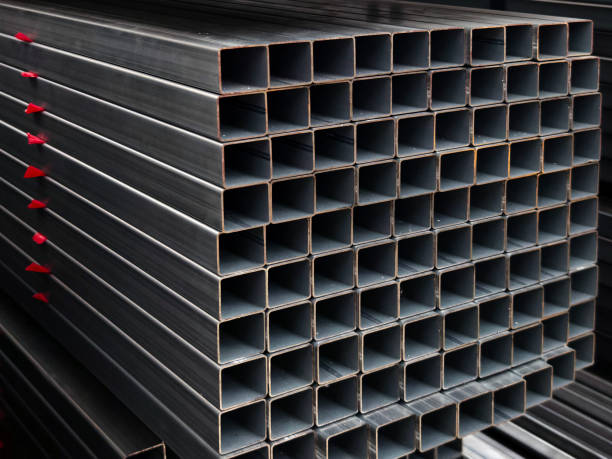


I’ll be honest, steel isn’t the kind of thing people usually get excited about. It’s not flashy. You don’t scroll Instagram and see reels going viral about metal sections. But weirdly enough, once you start paying attention, steel is everywhere. Buildings, staircases, gates, warehouses, that half-finished structure in your neighborhood that’s been “under construction” since forever. Somewhere inside all that is Ms square, quietly doing the heavy lifting without asking for credit. I didn’t even notice it at first. I thought steel was just… steel. Turns out, there’s more personality to it than I expected.
What People Mean When They Talk About Mild Steel
Mild steel is kind of like that dependable friend who never cancels plans. It doesn’t scream premium, but it shows up and does the job. It has low carbon, which basically means it’s not too brittle and not too hard to work with. Fabricators love it because it bends, welds, and cuts without throwing tantrums. I once spoke to a local fabricator who said working with mild steel feels like working with clay, but heavier and louder. That stuck with me.
A small, lesser-known thing here is that mild steel actually makes up around 85 percent of all steel used globally. That’s huge, yet nobody really talks about it. Online, most steel chatter is about stainless steel or fancy alloys, probably because they sound cooler. Mild steel is more like background music. You don’t notice it, but remove it and everything feels awkward.
Why Square Shapes Just Make Sense
There’s something oddly satisfying about square sections. They look balanced. Strong. Calm. Engineers love them because the load distribution is clean and predictable. Even from a non-technical angle, square steel just feels trustworthy. Rectangular and round sections have their place, sure, but square ones are like the Swiss army knife of construction.
I once tried to explain this to a friend using a table analogy. A square-legged table just feels more stable than a table with fancy curved legs. Same logic. Square sections resist twisting better, which matters more than people realize, especially in frames and supports. On construction forums and even random Reddit threads, you’ll see builders casually saying square sections are “less drama.” That’s probably the most accurate description.
Everyday Places You’ve Definitely Seen It
If you’ve ever leaned against a metal railing or waited under a bus shelter, chances are you were inches away from square steel. Staircase frames, window grills, compound gates, industrial sheds, furniture frames, solar panel structures, it’s all there. It’s funny how we trust these things with our weight and safety without a second thought.
There’s a quiet confidence in steel structures that don’t look decorative but still hold everything together. I once noticed a gym near my house bragging online about imported equipment, but the comments section roasted them for using weak local frames. A week later, they posted a behind-the-scenes reel showing solid steel frames, and the tone completely changed. People care about strength, even if they don’t say it out loud.
Cost, Durability, and That Constant Budget Stress
Money always enters the chat. Mild steel square sections usually hit that sweet spot between affordability and performance. They’re cheaper than stainless steel, easier to source, and repairs don’t cost a kidney. For small builders or homeowners, that matters a lot. Nobody wants to hear, “This will be strong, but your budget will cry.”
One interesting stat I came across while doom-scrolling late at night is that structural failures in small residential projects are more often linked to poor design and welding, not material quality. That says a lot. The steel itself is usually fine. It’s how people treat it that makes the difference. Kind of like relationships, actually.
Online Noise Versus Ground Reality
On social media, there’s a lot of half-knowledge floating around. Someone posts a reel saying thicker steel always means stronger, and suddenly everyone believes it. Thickness matters, yes, but shape, grade, and application matter just as much. Square sections can sometimes outperform thicker round ones in specific uses, but try explaining that in a comment section. You’ll get buried under emojis and “bro trust me” replies.
Still, there’s a growing appreciation for practical steel choices. You’ll see small creators showing fabrication work, sparks flying, square sections being cut and welded, and people genuinely enjoying it. It’s oddly calming content. Almost ASMR, but for construction nerds.
A Small Personal Moment With Steel
This might sound silly, but the first time I really noticed square steel was while helping a cousin build a shop shutter. I was just holding pieces in place, getting metal dust everywhere, questioning my life choices. When the frame finally stood up on its own, solid and unmoving, there was this weird sense of pride. I didn’t design it. I didn’t weld it. But I saw how raw steel turned into something useful. That stays with you.
Steel teaches patience. You measure twice, sometimes three times, and still mess it up. Then you adjust. That’s probably why people who work with steel seem oddly calm.
Wrapping It Up Without Really Wrapping It Up
Steel doesn’t need hype. It just needs to be understood a bit better. Especially square sections made from mild steel, which quietly support so much of what we use daily. From homes to factories, from basic grills to massive frameworks, they’re doing the work without trending hashtags.
And coming back to Ms square at the end feels right, because that’s usually how steel shows up too. Not loudly, not dramatically, but exactly where it’s needed. If steel had a personality, this would be it. Reliable, slightly underrated, and absolutely essential.