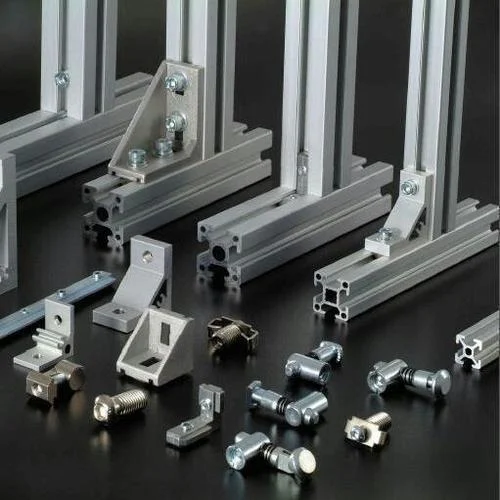


Modern robotics systems need to move quickly, stay accurate, and handle heavy workloads without putting too much strain on motors or mechanical parts. The frame plays a major role in how well the robot performs during constant movement and daily operation. That is why many automation engineers use extruded aluminum T slot systems, since they provide a strong structure while keeping the overall robot lighter and more efficient.
Lightweight Frames Help Robots Move Faster With Less Strain
Robotic systems depend heavily on controlled movement efficiency. Excessive frame weight forces motors, actuators, and drive systems to work harder during acceleration and directional changes. That additional strain can reduce operational responsiveness while increasing wear across moving components over time.
For many automation engineers, MiniTec Aluminum Framing provides a structural solution that reduces unnecessary mass without compromising support strength. Lightweight T slot aluminum extrusion profiles allow robotic systems to maintain smoother motion while improving acceleration performance. In high-cycle automation environments, reduced frame weight can also help decrease energy consumption and reduce stress placed on servo motors, bearings, and linear motion assemblies throughout daily production schedules.
Strong Aluminum Rails Support Heavy Robotic Arm Movement
Industrial robotic arms generate continuous load shifts during lifting, rotation, welding, packaging, and assembly operations. Frame structures supporting those systems must absorb movement forces while maintaining alignment stability under repeated operational cycles. Weak structural support can introduce positioning errors and unwanted vibration across robotic work cells.
Many robotic integrators using MiniTec extruded aluminum framing focus on high-strength rail support configurations for demanding automation tasks. Effective structural support strategies often include:
a. Reinforced vertical load sections
b. Dual-profile arm support rails
c. Cross-braced motion platforms
d. Distributed load transfer points
Unlike heavier welded structures that limit flexibility, extruded aluminum T slot systems allow robotic designers to strengthen targeted areas while maintaining manageable system weight and easier modification capability.
Lower Frame Weight Helps Improve Battery Run Time in Robots
Mobile robotics platforms rely heavily on energy efficiency. Autonomous robots, warehouse transport systems, and inspection units consume more battery power when carrying excessive structural weight throughout extended operating periods. Lightweight frame construction directly contributes to longer operational cycles between charging intervals.
Additionally, aluminum framing material helps engineers optimize overall robot weight distribution while supporting onboard sensors, batteries, and control systems. Lighter robotic structures often require less drive torque during continuous movement, improving efficiency across battery-powered applications. T slot extrusion systems also simplify component mounting, allowing designers to reduce unnecessary structural bulk without sacrificing equipment accessibility or maintenance flexibility during field operations.
Rigid Aluminum Structures Help Reduce Robotic Vibration
Precision robotics demand structural stability during high-speed movement and repetitive operational cycles. Vibration transferred through weak frame systems can reduce positioning accuracy, affect sensor readings, and shorten component lifespan over time. Even minor frame resonance may disrupt robotic repeatability during delicate automation tasks.
For this reason, many engineers select MiniTec Aluminum Framing because of its ability to balance rigidity with lightweight performance. Properly designed T slot aluminum extrusion structures distribute motion forces more evenly across robotic frames, helping reduce unwanted vibration transfer. In automation environments where robotic arms perform detailed assembly, welding, inspection, or pick-and-place operations, stronger frame rigidity supports smoother and more predictable motion behavior.
Lightweight Framing Helps Robots Handle Faster Direction Changes
Rapid directional movement creates substantial stress within robotic systems. Sudden starts, stops, and rotational changes place pressure on structural supports, motors, and mounting systems during every operational cycle. Heavier frames increase inertia, making it harder for robots to maintain fast and accurate movement patterns.
Meanwhile, MiniTec extruded aluminum framing allows robotics engineers to reduce structural mass while preserving mechanical integrity. Important robotic design advantages often include:
a. Faster acceleration response
b. Reduced motor strain during deceleration
c. Improved agility for mobile robotics
d. Better motion efficiency in repetitive automation tasks
Because extruded aluminum T slot systems remain modular, engineers can fine-tune frame reinforcement exactly where needed instead of adding unnecessary weight across the entire robotic platform.
Stronger Frame Support Helps Maintain Robotic Position Accuracy
Accurate robotic positioning depends heavily on structural consistency. Frame flexing, shifting, or uneven load distribution can introduce small positional errors that grow more noticeable during repetitive automated tasks. In manufacturing environments requiring tight tolerances, those inaccuracies may affect final product quality and operational reliability.
Many automation builders use aluminum framing kit systems because they provide strong structural support while simplifying alignment adjustments during assembly. T slot extrusion platforms also allow precise mounting of sensors, linear guides, actuators, and robotic arms without extensive welding or fabrication. Strong frame support helps robotic systems maintain repeatable positioning accuracy even under continuous movement cycles and changing payload demands.
Aluminum Framing Helps Balance Payload and Motion Performance
Robotics engineers constantly balance two competing priorities: carrying heavier payloads while maintaining efficient movement performance. Increasing payload capacity usually adds stress to structural systems, but excessive frame reinforcement can reduce overall speed and responsiveness. Achieving that balance requires careful structural design from the beginning.
Across modern automation industries, aluminum framing material continues gaining popularity because it supports both structural strength and operational efficiency. MiniTec Aluminum Framing systems allow engineers to scale robotic platforms according to payload requirements without introducing unnecessary mass into the system. Minitec Solutions can help automation manufacturers with MiniTec extruded aluminum framing solutions designed for robotics applications where strength-to-weight ratios directly affect speed, positioning accuracy, energy efficiency, and long-term system reliability.