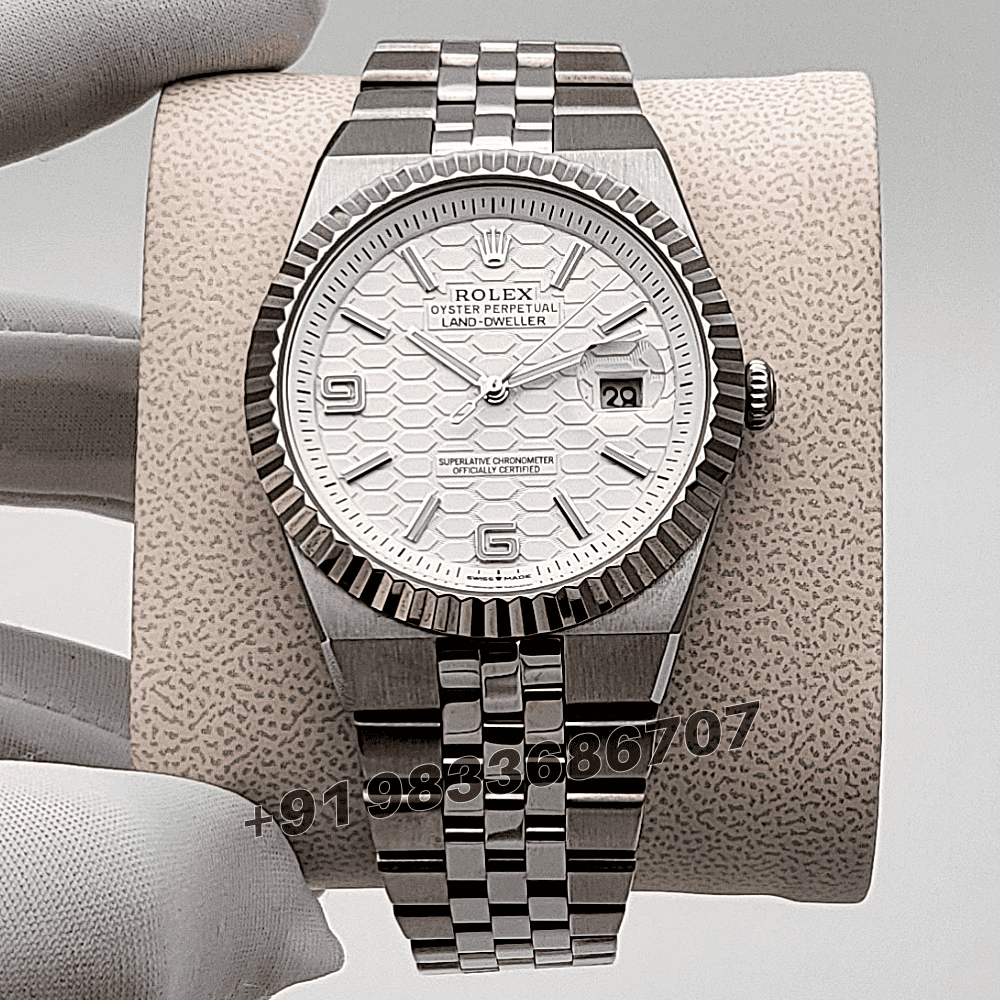


Creating the First Copy Watches: The Intriguing Emergence of Accurate Replicas
“Luxury watches also keep time, yes, but luxury watches also keep a story, a story of craftsmanship, a story of heritage, a story of prestige. Not all can afford to dish out five figures on a brand name, and hence, a gray, shining market emerges, led by First Copy watches, which are, basically, imitations that are as good as the real thing.”
First Copy watches are essentially a type of replica that resembles luxury watches to a tee, right down to an almost-real feel. This piece analyzes the reasons and purpose behind First Copy watches, standards by which a “better imitation sells for less than a cheap knock-off,” as well as norms, standards, and principles by which a person should decide if it’s worth his money to use a First Copy watch.
This is what people mean when saying “first copy”
At an aggregate level, it pertains to high-quality reproductions, which tend to mirror the design of their models of inspiration, including elements such as proper case sizing, printing of dials akin to the original models, heaviness that is far from flimsy, and, in certain instances, greater refinement of the movement, which is an advancement relative to what one will find in the cheapest forgeries. A First Copy watch is far different for its bargain-basement counterparts, which are simple to distinguish, and such an item is designed with the objective of fooling with the first glance, hence why First Copy watches appeal to consumers who may desire a product but are averse to paying a luxurious price.
Why There is a High Demand
There are three reasons why there is this demand. First of all, there is the aesthetic appeal associated with aspiration. Watches are one of the most convenient methods of making this kind of statement. Moreover, it is likely that the aesthetics rather than the authenticity of the item will appeal to the buyer. Thirdly, the limitations of value associated with authenticity. Luxury items are beyond the means of the average buyer. First copies are the answer to this kind of problem. Finally, technological advancement. This is because manufacturers are able to produce items of finer detail at low costs.
Legal and Ethical Environment
Replicas operate in a gray area. The sale or promotion of goods that use trademarks or are labeled authentic when they’re not constitutes an intellectual property crime, as most countries have strict intellectual property rights. The moral implications of the quandary are double. Replicas affect original designers and the brands they create by devaluing the name, and, on the other hand, sometimes these products support illicit markets. Then again, the practice becomes dubious when consumers buy a cheap replica simply to make a statement, as often happens with the sale of First Copy watches.
Imitation Levels: Poor to Near Perfect Copies
Not all copies are created equal. Consider the market in terms of tiers:
Cheap imitators (low-end): Cheap materials, wrong logos, poor finishing. Easily spotted after a couple of minutes of close inspection.
Replicas of the first grade: Improved finish, appropriate dimensions, and more distinct branding, intended to withstand a casual inspection and commonly sold as First Copy watches.
Superclones: High-quality copies that come with intricate engravings, accurate case backs, and movement functions that replicate those of the original timepieces, and these are usually the most costly copies and most difficult to spot without a technical analysis.
Guides and forums that compile information on replica watch grades are in unison on this fact: the better the copy, the more complex and costly it is to make.
How to Assess Before Purchase
If you are evaluating a high-fidelity copy, here are some tests you can perform. Most of these tests are also used to detect counterfeits:
- Case and dial faithfulness: Look for consistency in logo position, font thickness, and letter spacing. Real watches always have sharp and well-aligned printing; otherwise, it indicates fraud.
- Weight and quality of the finish: Better replicas are made of superior metals. If the watch is made of a case that is too light or there are questionable edges, it’s likely
- Motion movement: Is it smooth (mechanical) or ticking (quartz) movement? Verify startup times, subdial operations, midnight changes, and date changes.
- Serial Numbers and Engravings: Are they there and correct? Illicit numbering or the wrong fonting indicates a shortcut taken.
- Seller transparency: The best sellers include information on movement types, materials, and return policies. If a seller uses hidden warranties, gives evasive information, or won’t show close-ups, it’s not a good sign.
- Customer feedback: Customer forums and customer buying guides are very helpful sources in identifying regular seller fraud, quality products, and scams. Customer purchasing guides are the best sources in this regard.
Care, Maintenance, and Longevity
If it’s well-crafted, it can be used simply to tell time on a regular basis. However, there will be constraints. The movement in many copies could be an “after-market” component that could demand more frequent servicing than “name” Swiss movements. Waterproof ratings are generally exaggerated unless it’s tested. If it’s your desire to own one, be ready to pay for regular servicing, use it with care in situations involving moisture, and be aware that it won’t retain much resale value.
Ethics and Alternatives: Design
If you like the design language that comes with luxury watches, there are other ways that are ethical and provide the same feel without the resulting legal and moral gray areas:
- Micro-Brands: Micro-brands are independent watchmakers who create unique designs influenced by classic designs but at affordable prices.
- Homage watches: There are some companies which manufacture homage watches. These watches are inspired by famous designs but with differences to prevent infringement.
- Vintage and preowned markets: “Vintage items from well-respected brands can offer heritage and quality at a fraction of what new luxury brands charge and with guaranteed provenance.”
The Social Signal: Does it Make Any Difference?
But one question we don’t often stop to ask is: why are we so attached to marked items? Some may find a counterfeit a way to satisfy their craving for a luxurious product, but for many, it is the fact that it is authentic that is of far greater significance to them, and of no consequence to others. It is a question of two distinct currencies: one that you show to the world, and one that is of importance to you.
Buyer Safety: Red Flags & Safe Buying Practices
“If you’re going to continue, protect yourself:”
- Steer clear of those salesmen who promise “authentic” branding but offer knockoffs on the sly.
- Offer payment options that have protection for the buyer.
- Ask for detailed photos of the movement, case back, and clasp.
- Watch out for ads offering prices that seem unfeasibly cheap for what appears to be a high-end model.
- Keep in mind that there may be few to no returns or guarantees offered for these types of items.
Conclusion: Practical Approach
Replicas that are almost indistinguishable from the original occupy the gray area that raises both moral and legal questions that are part of the consumer space. While they provide the luxury fix that many people crave, they pose risks that include the legal liability that sellers face and the ethical implications that buyers grapple with. For consumers who are driven by style and who are on a budget, there are other, more legitimate ways to access the style.